A garment usually leaves a wardrobe for one of three reasons. It stopped fitting, something tore, or the shape dated. The first two are appointments.
What gets thrown out
The EPA puts American textile generation at 17 million tons in 2018. Landfills took 11.3 million tons of that, 7.7 percent of everything landfilled in the country that year. The recycling rate for all textiles was 14.7 percent.
What nine months is worth
WRAP, the British waste body, measured what wearing a garment longer actually saves. Extending the active life of a garment by an extra nine months reduces its carbon, waste and water footprints by around 20 to 30 percent each. The average garment there lasts 2.2 years, so nine months adds about a third to its life. The report is Valuing our clothes, 2012. Those are UK figures.
What a tailor can change
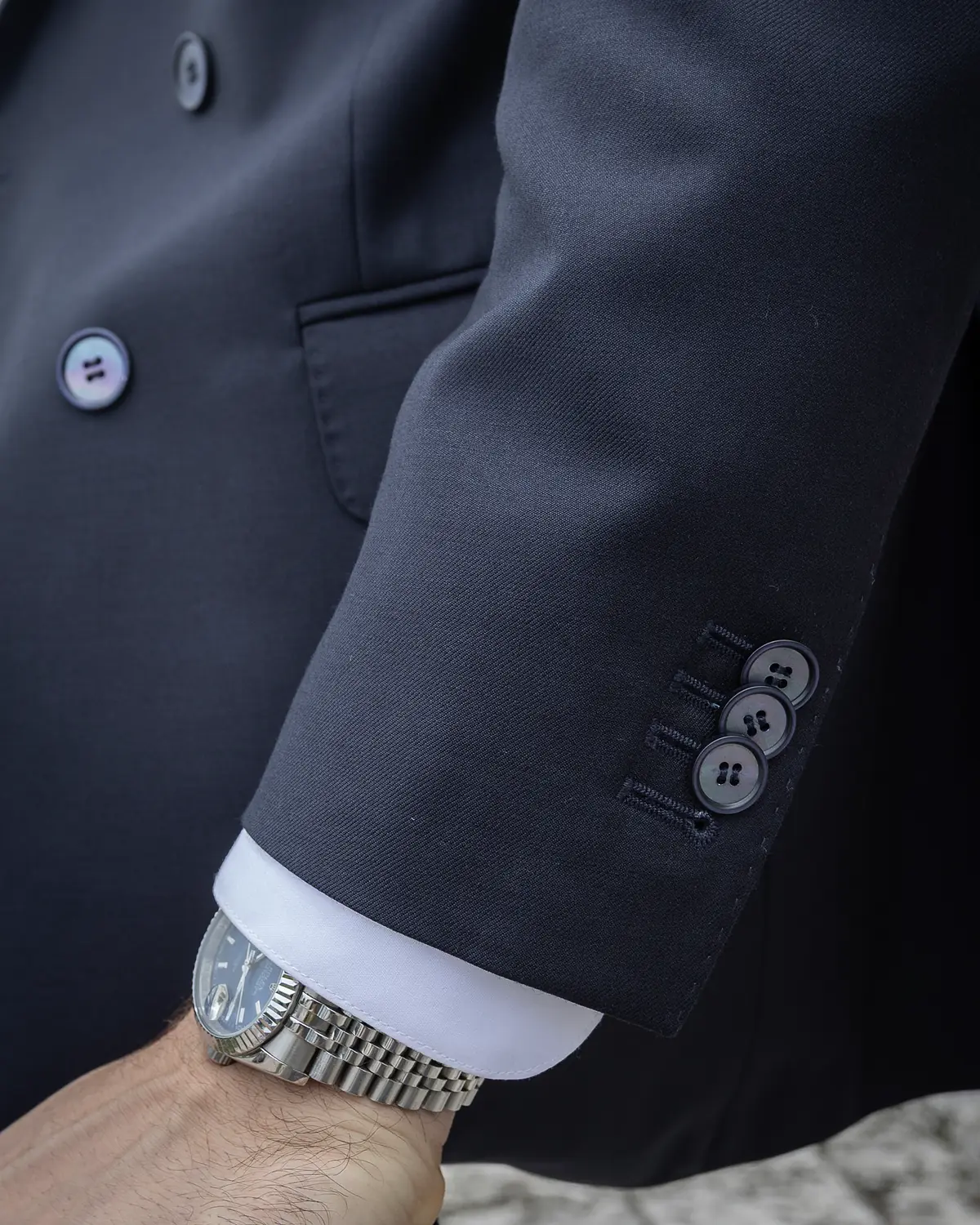
Waist, seat, trouser length and sleeve length are routine. A jacket comes in or goes out at the side seams and the back, within the fabric the maker left inside them. A lining can be replaced, a pocket bag remade, a hem rebuilt.
The shoulder is the limit. It is where a jacket is built, and changing it means taking the jacket apart and putting it back together, which is most of the work of making one.
Why a good garment survives it
All of that depends on fabric left inside the seams. A garment cut to a price is cut to the edge, so it can be taken in once and never let out again. A garment made properly carries that allowance from the start, because a body at 40 is not the body at 50 and the jacket is expected to outlast the difference.
The diary
Already own the garment? Bottega keeps a separate diary for tailoring: alterations, repairs and re-fits. It has its own calendar, separate from the fittings for a new suit.
If the sleeve is long or the waist has moved, that is a tailoring appointment, not a purchase.